Air Filters
-
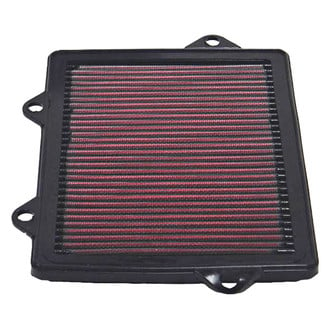
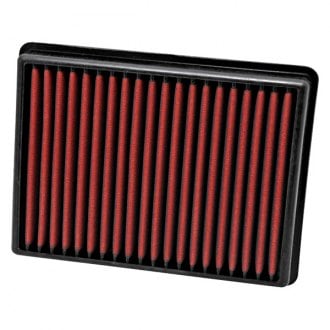
 K&N®33 Series Panel Air Filter33 Series Panel Air Filter by K&N®. K&N's replacement air filters are designed to increase horsepower and acceleration while providing excellent filtration. K&N makes over 1,200 different replacement air filters for the majority of...Designed to boost horsepower and rate of accelerationCan be cleaned and used again$44.99 - $199.99
 - ACDelco®GM Original Equipment™ Air FilterGM Original Equipment™ Air Filter by ACDelco®. Make sure your engine breathes properly with our selection of top-quality replacement air intake parts. These parts are made by trusted brands that use the finest materials and the latest...Perfect solution to keep your air intake system performing the way it was designed toCrafted from the highest grade materials for dependable, long-lasting service$8.76 - $139.33Save: up to 19%$7.34 - $116.89
- iD Select®Engine Air FilterEngine Air Filter by iD Select®. Swap out your worn-out or malfunctioning part with this top-notch product from iD Select. It’s built to OEM specifications to offer the same fit, form, and function as your factory component....Direct OEM replacement for your malfunctioning partMade to deliver the ultimate in quality, reliability, and value$12.28 - $40.36Save: 10%$11.06 - $36.32
- Motorcraft®Air FilterAir Filter by Motorcraft®. If you have a dirty air filter, clogged PCV valve, or defective MAF sensor you may be tempted to just run down to the local auto parts chain store for a replacement, but before you waste your time and gas,...Multi-fiber high-density media captures harmful contaminants, yet minimizes restriction even as the filter approaches the end of its useful lifeEach filter is coated with a special chemical (surfactant) that enhances initial filtering efficiency and capacity$10.41 - $317.39
- ACDelco®Gold™ Air FilterGold™ Air Filter by ACDelco®. Make sure your engine breathes properly with our selection of top-quality replacement air intake parts. These parts are made by trusted brands that use the finest materials and the latest manufacturing...Perfect solution to keep your air intake system performing the way it was designed toCrafted from the highest grade materials for dependable, long-lasting service$8.52 - $248.50Save: up to 19%$7.18 - $211.22
- WIX®Panel Air FilterPanel Air Filter by WIX®. Make sure your engine breathes properly with our selection of top-quality replacement air intake parts. These parts are made by trusted brands that use the finest materials and the latest manufacturing...Perfect solution to keep your air intake system performing the way it was designed toCrafted from the highest grade materials for dependable, long-lasting service$9.03 - $63.01
- aFe®Direct Fit Magnum Flow™ Pro 5R Panel Air FilterDirect Fit Magnum Flow™ Pro 5R Panel Air Filter by aFe®. Constructed with 100% polyurethane on all four sides, this high-flow, oiled OE replacement performance filter will outflow the stock paper filter by up to 68% for improved...Pro 5R Factory-Oiled Media for Maximum Performance100% Polyurethane Frame On All Sides For Extra Long Filter Life$53.00 - $247.00Save: 10%$47.70 - $222.30
- Denso®Replacement Air FilterReplacement Air Filter by Denso®. Make sure your engine breathes properly with our selection of top-quality replacement air intake parts. These parts are made by trusted brands that use the finest materials and the latest manufacturing...Perfect solution to keep your air intake system performing the way it was designed toCrafted from the highest grade materials for dependable, long-lasting service$5.71 - $39.77
- aFe®Direct Fit Magnum Flow™ Pro Dry S Panel Air FilterDirect Fit Magnum Flow™ Pro Dry S Panel Air Filter by aFe®. Constructed with 100% polyurethane on all four sides, "oil free" OE replacement performance filter will outflow the stock filter by up to 44% for improved horsepower and...Robust and long-lasting constructionGuaranteed to ensure a perfect fit and effortless installation$53.00 - $247.00Save: 10%$47.70 - $222.30
- Bosch®Air FilterAir Filter by Bosch®. Make sure your engine breathes properly with their selection of top-quality replacement air intake parts. These parts are made by trusted brands that use the finest materials and the latest manufacturing...Perfect solution to keep your air intake system performing the way it was designed toCrafted from the highest grade materials for dependable, long-lasting service$3.68 - $20.51
- WIX®Air FilterAir Filter by WIX®. Considering as much as 10,000 gallons of air must pass through the air filter for every gallon of fuel the engine consumes, WIX air filters play a vital part in preventing foreign particles like soot, carbon and...Prevents foreign particles like carbon, soot and abrasives from entering the fuel mixEnsures superior engine protection$8.08 - $120.18
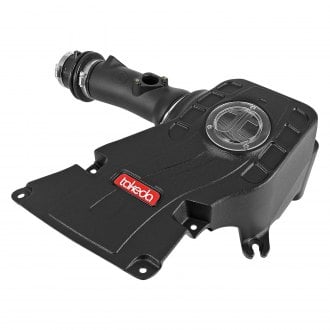
- Takeda®Momentum™ Cold Air Intake SystemMomentum™ Cold Air Intake System by Takeda®. With the Momentum Sealed Stage 2 Kit, Takeda has taken Cold Air Intake Systems to the next level. Instead of placing the air filter outside the engine bay, Takeda positions a special Pro...Engineered to help upgrade your vehicle’s power and overall performanceManufactured from high-grade materials for long-lasting service in various conditions$73.00 - $518.00Save: 10%$65.70 - $466.20
- K&N®33 Series Unique Air Filter33 Series Unique Air Filter by K&N®. K&N's replacement air filters are designed to increase horsepower and acceleration while providing excellent filtration. K&N makes over 1,200 different replacement air filters for the majority of...Improves engine airflowIncreases horsepower and acceleration$49.99 - $149.99
- Premium Guard®Air FilterAir Filter by Premium Guard®. Make sure your engine breathes properly with our selection of top-quality replacement air intake parts. These parts are made by trusted brands that use the finest materials and the latest manufacturing...Perfect solution to keep your air intake system performing the way it was designed toCrafted from the highest grade materials for dependable, long-lasting service$3.08 - $55.81
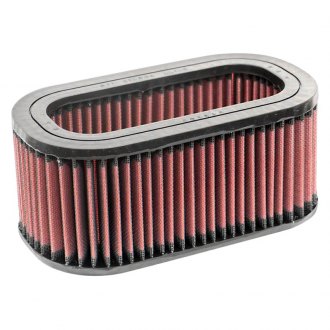
- K&N®E Series Air FilterE Series Air Filter by K&N®. K&N's replacement air filters are designed to increase horsepower and acceleration while providing excellent filtration. K&N makes over 1,200 different replacement air filters for the majority of vehicles on...Designed to boost horsepower and rate of accelerationCan be cleaned and used again$54.99 - $449.99
- AEM Intakes®Unique DryFlow Air FilterUnique DryFlow Air Filter by AEM Intakes®. AEM Intakes DryFlow Air Filters are washable synthetic air filters designed for an optimum combination of air flow, filtration, and performance. AEM Intakes DryFlow filters use an innovative...Designed to increase horsepower and throttle responseAEM Intakes Air Filters are cleanable and reusable for the life of your vehicle$39.99 - $99.99
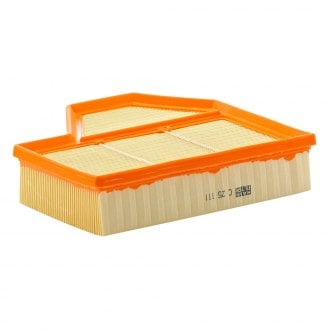
- MANN-Filter®Air FilterAir Filter by MANN-Filter®. Get excellent engine protection and more economical operation just by replacing your air filter. This MANN air filter is specially designed for your vehicle to ensure a precise fit and proper composition of...Optimum protection for the engine, airflow meters and other sensorsPerfectly adapted in form and function to your vehicle$9.67 - $179.59
- FRAM®Extra Guard™ Flexible Panel Air FilterExtra Guard™ Flexible Panel Air Filter by FRAM®. Designed and constructed with advanced features to capture and hold more dirt. Increased durability is achieved because of the heavier filter screen that extends into urethane to...Provides better air filtration for improved performancePrevents damaging particles from entering your engine$5.84 - $79.53
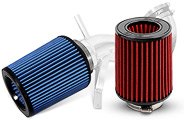
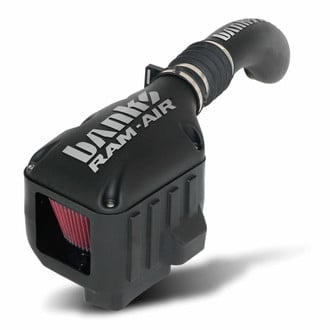
- Banks®Ram Air Intake SystemsRam Air Intake Systems by Banks®. Banks Ram-Air Intake System replaces the factory's flat panel filter with a large conical lifetime filter that provides maximum high-flow filtration. The Ram-Air's opening dwarfs the stock's inlet, and...High FlowMore power and torque$219.00 - $549.00
- aFe®Direct Fit Magnum Flow™ Pro 5R Round Tapered Air FilterDirect Fit Magnum Flow™ Pro 5R Round Tapered Air Filter by aFe®. Constructed with 100% polyurethane on top and bottom, this high flow, oiled OE replacement performance filter will outflow stock paper filter for improved horsepower and...Improves airflow for better performance and accelerationPre-oiled, washable/reusable air filter for long service life with life-time warranty$68.00 - $235.00Save: 10%$61.20 - $211.50
- aFe®Direct Fit Magnum Flow™ Pro Dry S Round Straight Air FilterDirect Fit Magnum Flow™ Pro Dry S Round Straight Air Filter by aFe®. Constructed with 100% polyurethane on top and bottom, this high flow “oil-free” OE replacement performance filter will outflow stock paper filter for...Improves airflow for better performance and accelerationOil-free for easy quick servicing and yet washable/reusable air filter for long service life with life-time warranty$68.00 - $286.00Save: 10%$61.20 - $257.40
- Mahle®Engine Air FilterEngine Air Filter by Mahle®. If you have a dirty air filter, clogged PCV valve, or defective MAF sensor you may be tempted to just run down to the local auto parts chain store for a replacement, but before you waste your time and gas,...Perfect solution to keep your air intake system performing the way it was designed toCrafted from the highest grade materials for dependable, long-lasting service$6.09 - $304.56
- Beck Arnley®Air FilterAir Filter by Beck Arnley®. When investing in this superior product by Beck Arnley, expect to get the exact OEM look, function, and fit. The product was developed to stringent factory specifications and crafted using superior-grade...Insures proper air flow for engine operationConstructed from OE quality materials and filter media to properly maintain your vehicle and improve gas mileage$9.38 - $83.05
- Pentius®UltraFLOW™ Air FilterUltraFLOW™ Air Filter by Pentius®. The UltraFLOW Air Filter by Pentius has been designed to provide your customer's engine with the clean air that is required for maximum efficiency and power output. By design, the best airflow...Designed to eliminate contaminantsEnsures proper fitment and excellent performance$3.62 - $109.03
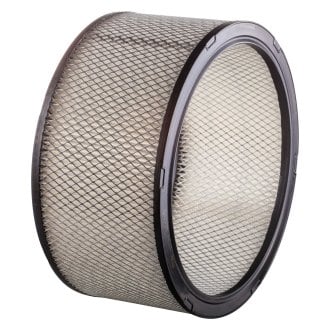
- Baldwin Filters®Air Filter ElementAir Filter Element by Baldwin Filters®. This first-rate American-made product is the winning choice for performance-minded racers. Made with craftsmanship and high-tech machinery by highly skilled engineers, it leapfrogs the...High quality at an affordable priceExpertly made from premium materials$9.88 - $81.45
- aFe®Direct Fit Magnum Flow™ Pro 5R Air FilterDirect Fit Magnum Flow™ Pro 5R Air Filter by aFe®. This high flow Pro 5R air filters are constructed with 100% polyurethane on all sides and will out flow the stock paper filters for improved performance. Five layers of progressively...Improves airflow for better performance and accelerationPre-oiled, washable/reusable air filter for long service life with life-time warranty$75.00 - $247.00Save: 10%$67.50 - $222.30
- aFe®Direct Fit Magnum Flow™ Pro Dry S Air FilterDirect Fit Magnum Flow™ Pro Dry S Air Filter by aFe®. This filter features 3-layers of progressive media to provide maximum flow with excellent filtration. The progressive layering of media allows the filter to flow at high levels...Improves airflow for better performance and accelerationPre-oiled, washable/reusable air filter for long service life with life-time warranty$68.00 - $247.00Save: 10%$61.20 - $222.30
- Mopar®Air FilterAir Filter by Mopar®. Make sure your engine breathes properly with their selection of top-quality replacement air intake parts. These parts are made by trusted brands that use the finest materials and the latest manufacturing...Perfect solution to keep your air intake system performing the way it was designed toCrafted from the highest grade materials for dependable, long-lasting service$12.40 - $626.83Save: up to 13%$11.16 - $564.15
- Fram®Air FilterAir Filter by Fram®. Designed and constructed with advanced features to capture and hold more dirt. Increased durability is achieved because of the heavier filter screen that extends into urethane to provide greater integrity and...Provides better air filtration for improved performancePrevents damaging particles from entering your engine$9.58 - $31.77
- Baldwin Filters®Panel Air FilterPanel Air Filter by Baldwin Filters®. This first-rate American-made product is the winning choice for performance-minded racers. Made with craftsmanship and high-tech machinery by highly skilled engineers, it leapfrogs the competition....High quality at an affordable priceExpertly made from premium materials$10.54 - $47.45
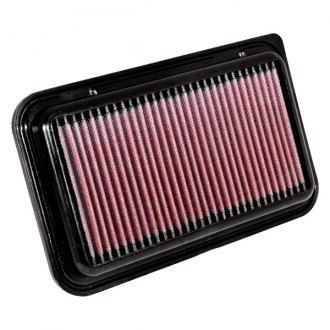
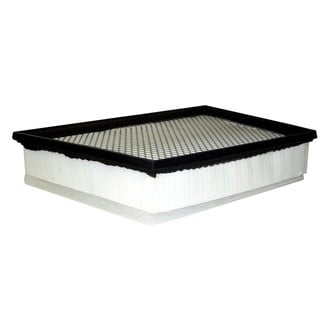
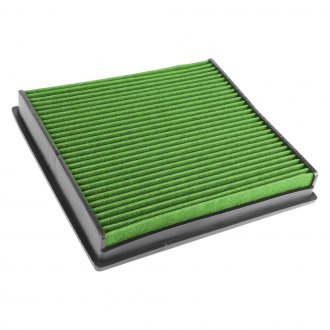
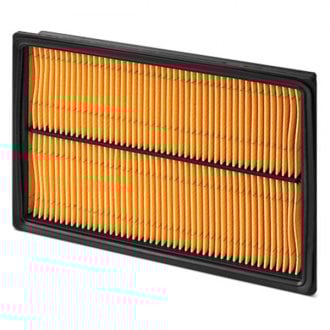

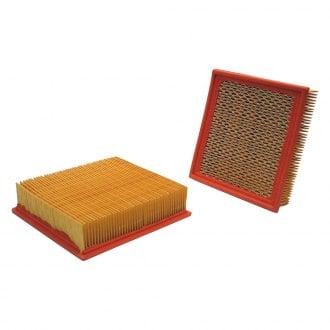
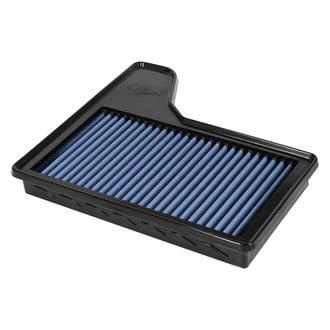
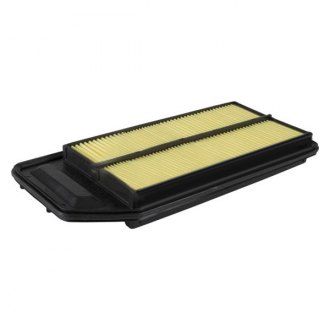
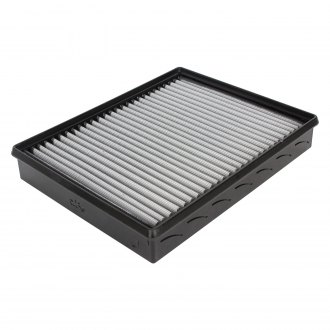
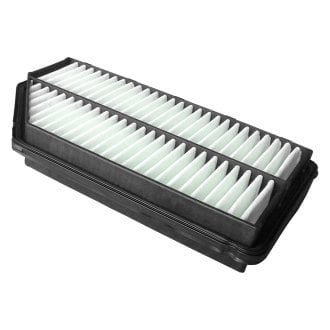
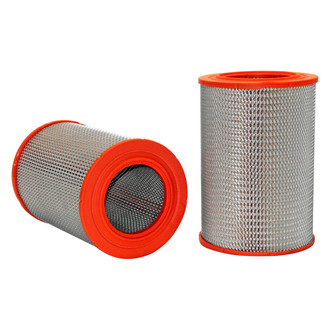

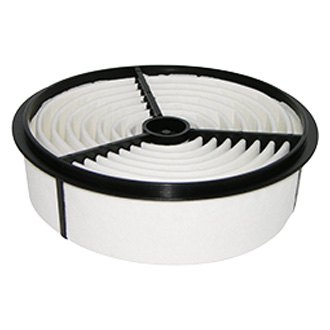

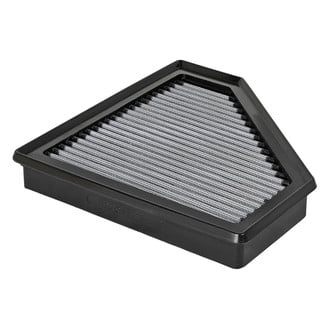
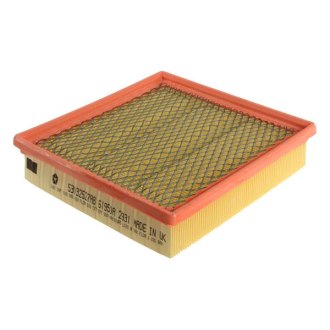

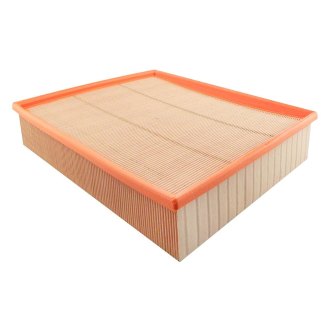
Breathing air that contains dust, soot, and other types of particulate matter can make you sick, and prolonged exposure can cause respiratory and cardiovascular disease. That’s why you should always wear an appropriate dust mask or respirator to protect yourself when doing jobs where you’re exposed to such contaminants. The same holds true for the engine in your car, truck, or SUV. If there was nothing to stop dirt and debris from entering the engine, serious damage and eventual total engine failure would result. Your vehicle comes equipped with an engine air filter, to trap dirt and debris and keep them from harming your engine. However, as the filter does its job, dirt and debris build up on the filter surface, and could eventually reach the point where airflow is restricted, reducing performance and fuel economy. To ensure optimal filtration and engine protection and performance, the air filter must be periodically replaced, and when you’re due for a new one, you’ll find the right filter for the job right here on our digital shelves.
Unlike people, who can choose when and where to wear a mask or respirator, an engine must always be protected with an air filter. That’s because a typical engine consumes huge quantities of air, as much as 10,000 gallons for every one gallon of gasoline, and it must ingest this air under all kinds of driving conditions. As you drive down the road, air that contains dirt, dust, sand, debris, leaves and other organic matter, and particulate from exhaust, goes into your vehicle’s air intake system. The air filters we offer protect your engine by trapping contaminant particles as small as 5 microns, which is 5 millionths of a meter or less than 1/10th the size of a human hair.
Our replacement air filters provide effective protection against this type of expensive damage without restricting airflow that would negatively affect engine performance and fuel efficiency. A typical original equipment spec air filter is made of paper, essentially wood pulp fibers that are bonded together and formed into pleats. Extremely small irregular passages in the filter trap the dirt. But since these passages also provide the pathway for air to flow into the engine, as dirt collects the passages can become restricted, reducing airflow. Our replacement air filters are designed and sized to provide the required level of filtration and airflow throughout the replacement interval specified in your owner’s manual if the vehicle is driven under normal conditions. However, if you regularly drive off-road, on unimproved roads, or in dusty conditions, you should regularly inspect your air filter as it may require more frequent replacement under those conditions.
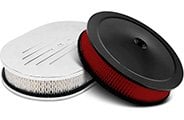
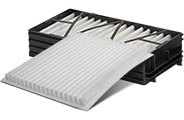
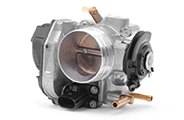
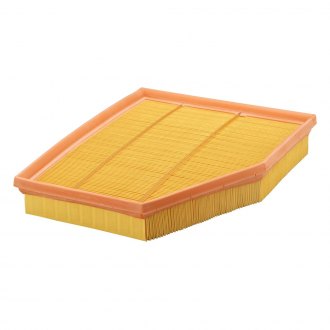
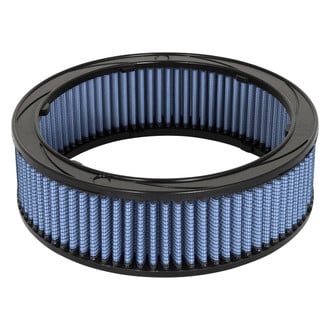
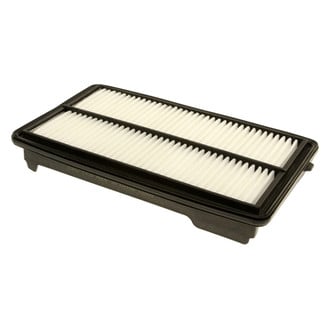
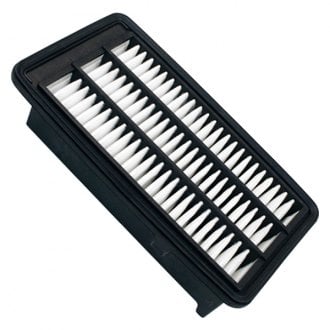
We offer air filters for gasoline and diesel engines and for carbureted and fuel injected vehicles. Although filter shape will vary according to make and model, in general the air filters for carbureted engines are round and they’re located in a housing that mounts to the top of the carburetor. Most fuel injected vehicles have a flat panel air filter that’s located inside an air box mounted remotely from the engine. A duct connects the air filter housing to the throttle body and intake manifold. Air filter replacement is one of the easiest DIY jobs. A carburetor air filter is generally accessed by removing a wing nut and the air cleaner lid. On a fuel injected vehicle, the housing can be opened for filter removal by removing a few clips or screws. Before installing the new air filter, remove any debris that may have accumulated in the housing. When installing the new filter, make sure it seals properly against the housing, so all intake air goes through the filter. On fuel injected vehicles, inspect the air intake duct to make sure there are no cracks, gaps, or other openings where unfiltered air could enter the intake airstream.
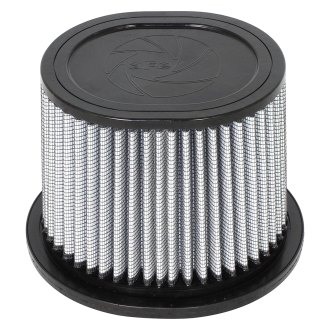
Replacing the original equipment air filter is one of the easiest and least expensive things you can do to get more performance and economy from your car or truck. No matter what you drive, we have direct fit performance air filters that will install right in your vehicle’s factory air box. Our performance filters increase air flow, enabling your engine to make more power and get better fuel economy, and provide the critical filtration needed for engine protection. The filtering element in a performance air filter is constructed from cotton gauze, and/or a combination of proprietary synthetic materials, which allow much better air flow. And unlike the paper filter that collects dirt at the surface, performance filters trap dirt throughout the depth of the filtering element. As a result, you get consistently better air flow during the filter’s entire service interval, without any sacrifice in filtration ability. The service interval for a performance air filter is also far longer than a typical OE filter, as much as 50,000 miles. When service time rolls around, the only thing you need to do is clean your performance air filter, re-oil it if required, and put it back into service.